Resort Gaming Mechanics: From Traditional Tables to Digital Innovations
Noah Flores · Oct 25, 2026
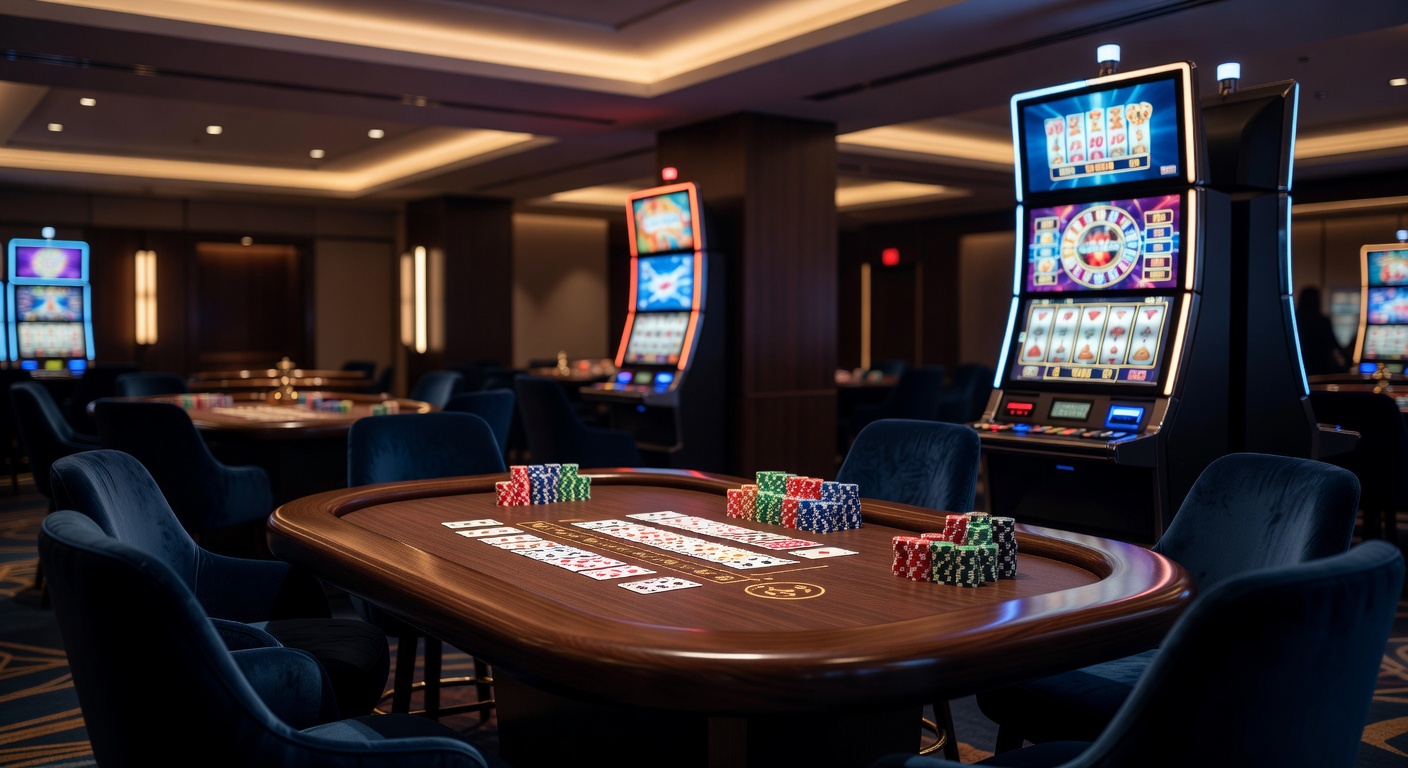
Resort Gaming Mechanics: From Traditional Tables to Digital Innovations
Resort destinations worldwide continue to refine their gaming offerings through established formats that combine probability structures with player participation, and data from regulatory bodies shows consistent patterns in how these games operate across markets. Blackjack remains a staple where players aim to reach a hand total closer to 21 than the dealer without exceeding it, while basic strategy charts derived from combinatorial analysis reduce the house edge to approximately 0.5 percent when followed consistently. Roulette wheels, whether American with 38 pockets or European with 37, deliver fixed payout ratios that reflect their respective probabilities, and observers note that single-zero variants appear more frequently in European and Asian properties.
Table Game Structures and Participation Data
Baccarat draws substantial volume in high-limit areas of Macau and Las Vegas properties, with the banker bet carrying a house edge near 1.06 percent according to figures from the Macau Gaming Inspection and Coordination Bureau. Craps tables feature multiple wagering options, and researchers at the University of Nevada, Las Vegas have documented how pass line bets maintain a 1.41 percent edge while certain proposition bets exceed 16 percent. Poker rooms operate differently since they typically collect rake rather than maintain a direct house edge, allowing skilled participants to influence outcomes over extended sessions.
Dealers follow strict procedural rules that eliminate discretion in most table games, and these protocols ensure consistent game flow regardless of location. Electronic table games have expanded in several jurisdictions, blending live dealer elements with automated betting terminals to accommodate higher player volumes during peak periods.
Slot Machines and Random Number Generation
Slot machines constitute the majority of gaming positions in most resorts, and their outcomes depend on certified random number generators that produce results independent of previous spins. Return-to-player percentages vary by jurisdiction and machine type, with data from the Nevada Gaming Control Board indicating average floor-wide figures around 93 to 95 percent for many properties. Progressive jackpot networks link machines across multiple sites, creating prize pools that accumulate until triggered, and industry reports track these systems through centralized monitoring platforms.

Video poker variants combine elements of both slots and table games, offering players decisions that affect expected returns when optimal strategies are applied. Manufacturers submit machines for testing before deployment, and certification laboratories verify compliance with technical standards established by each regulatory authority.
Regulatory Updates and Market Shifts in 2026
October 2026 brought revised reporting requirements in several U.S. states, prompting operators to adjust internal controls for anti-money laundering compliance while maintaining game integrity standards. Sweepstakes casino platforms have expanded into additional markets, utilizing different legal frameworks that separate skill-based or promotional mechanics from traditional wagering. Data released during this period indicates continued growth in online and hybrid formats alongside physical resort expansions in regions such as North Carolina and Michigan.
International operators have introduced mobile integration features that allow players to track play history and access loyalty programs, though core game mathematics remain unchanged from their land-based counterparts. Analysts at research institutions track participation metrics across both channels, noting seasonal fluctuations tied to tourism patterns and major sporting events.
Global Reach and Format Variations
Asian markets emphasize baccarat and sic bo, whereas North American properties allocate more floor space to slots and video poker. European venues often feature roulette and blackjack with regional rule variations that slightly alter house edges. These differences arise from local regulations and historical preferences, yet the underlying probability frameworks stay consistent regardless of geography.
Training programs for dealers and floor supervisors emphasize adherence to published procedures, and independent audits verify that equipment meets technical specifications on an ongoing basis. Player education materials provided by some resorts outline basic game rules and common betting options without promising specific outcomes.
Conclusion
Resort gaming continues to evolve through technological enhancements while preserving core mathematical structures that define each format. Regulatory oversight, equipment certification, and participation data collectively shape how these games are presented across international markets. Observers tracking developments into late 2026 note steady adaptation to new platforms alongside established table and machine offerings that remain central to resort entertainment portfolios.